The Fascinating World of Mahjong
The captivating game of Mahjong has intrigued players around the world for decades. Originating from China, this strategic game combines skill, strategy, and a touch of luck, making it a favorite pastime for many. In recent years, platforms like BBJILI.COM have brought Mahjong to a wider audience, allowing enthusiasts to engage with the game online. In this article, we delve into the intricate world of Mahjong, exploring its origins, rules, cultural significance, and its growing popularity in the digital realm.
Origins of Mahjong
Mahjong's beginnings are somewhat shrouded in mystery, with various theories suggesting its inception during the Qing dynasty in the mid-19th century. It is believed that the game evolved from similar Chinese card games such as "Madiao" and "Domino." These early games used paper cards and were primarily played among the elite class of Chinese society. By the early 20th century, Mahjong had gained immense popularity across China, spreading to the West and captivating players globally.
Understanding the Game
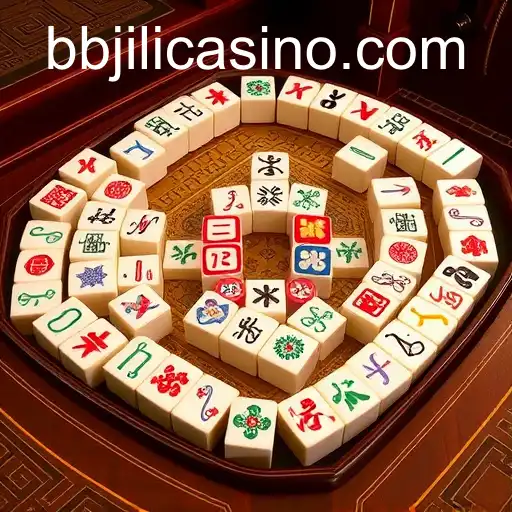
At its core, Mahjong is a game of skill and chance, played using a set of 144 tiles. These tiles are categorized into suits (Bamboo, Characters, and Dots), honors (Winds and Dragons), and bonus tiles (Flowers and Seasons). The objective of Mahjong is to build a winning hand consisting of sets (Pongs, Chows) and a pair, a concept similar to Western card games such as Poker or Rummy.
Each game typically involves four players seated around a square table. At the start of the game, each player is dealt a hand of tiles, and the goal is to replace unwanted tiles with new ones drawn from the wall, similar to the structure of a deck in card games. The first player to form a complete hand exclaims "Mahjong!" and wins the round.
The Cultural Significance of Mahjong
Over the years, Mahjong has become more than a mere game; it is deeply woven into the fabric of Chinese culture. Often considered a social activity, Mahjong is played during festivals, family gatherings, and in community settings, fostering camaraderie and bonding among participants. In Chinese communities worldwide, playing Mahjong is a way to connect with cultural heritage, share stories and traditions, and reinforce social ties.
Beyond entertainment, Mahjong is also valued for its benefits in enhancing cognitive skills. The strategic component of the game, involving memory, calculation, and planning, makes it an excellent exercise for the brain. By regularly engaging in this mentally stimulating activity, players can improve their cognitive abilities and maintain mental sharpness.
Mahjong in the Digital Era
The advent of the internet and digital platforms has revolutionized how games like Mahjong are played, making them accessible to people all around the world through online portals like BBJILI.COM. These platforms offer an authentic Mahjong experience, allowing players to either play against computer-generated opponents or in live settings with real competitors. With features such as chat functions and online rankings, players can enjoy the social element of Mahjong from the comfort of their homes.
Aside from accessibility, digital Mahjong platforms provide various game variants and customizable settings that cater to both novice players and seasoned veterans. Whether it is the traditional Chinese version or regional variations like the Korean or Japanese styles, the digital revolution has preserved these cultural treasures, ensuring that Mahjong transcends borders and generations.
Conclusion
Mahjong remains a cherished pastime that continues to mesmerize and challenge players across the globe. Its rich history, strategic depth, and social aspects make it a timeless classic. As platforms like BBJILI.COM introduce Mahjong to new audiences, its popularity is poised to grow even further, ensuring that this ancient game will captivate future generations just as it has for centuries. Whether played in traditional settings or virtually at BBJILI.COM, Mahjong promises an engaging and fascinating experience for all who play.